

The Ultimate Guide to Bespoke Timber Windows in London (2026)
London is one of the most architecturally varied cities in the world—and one of the most demanding when it comes to the windows that sit within its buildings. Whether you live in a Victorian terrace in Clapham, an Edwardian semi in Crouch End, or a period conversion in Notting Hill, the windows you choose will define how your home looks from the street, how it performs thermally, and how it sits within its streetscape for decades to come.
Bespoke timber windows are, for many London homeowners, the only option that genuinely meets all of these demands at once. They can be made to match original heritage styles with precision. They perform exceptionally well thermally and acoustically. They are durable, repairable, and, when properly maintained, they outlast almost every alternative. And they look, simply, like they belong.
What they are, what makes them different, what they cost, what regulations apply, how the design and installation process works, and how to choose the right style and materials for your home. It draws on Ayrton’s 25+ years of experience designing, manufacturing, and installing bespoke timber windows across the capital.
What Are Bespoke Timber Windows?
There is no standard size, no catalogue to select from, and no compromise on proportion or detail.
The word ‘bespoke’ matters here. A bespoke window is not a made-to-measure variant of a mass-produced product. It is designed from scratch — starting with the architecture of the building, the dimensions of the opening, the style of the street, and the preferences of the homeowner. At Ayrton, every window begins with an at-home design consultation before production starts in our factory. Every last timber window is fitted by Ayrton’s own installation team.
Timber as a material has been used in window construction for centuries — and it remains, for many applications, the most appropriate choice. It is workable in ways that uPVC and aluminium are not: it can be shaped, jointed, profiled, and finished to replicate historic designs with accuracy that no other material can match. It is also a natural insulator, and when properly specified and maintained, it is exceptionally long-lived.
Why Timber? The Case for Bespoke Timber Windows in London
The capital’s housing stock is unlike almost anywhere else in the UK. London contains some of the highest concentrations of Victorian, Edwardian, and Georgian properties in the country—buildings designed around timber windows with proportions, frame profiles, and glazing bar details that define their character. For homeowners in these properties, the choice of window is not simply a functional decision: it is an architectural one.
Bespoke timber windows can be designed to exactly replicate the original windows of a period property—matching the glazing bar profiles, sash configurations, horn details, and opening mechanisms of the original design. This is not merely an aesthetic preference: in conservation areas, listed buildings, and properties under Article 4 Directions, it may be a planning requirement. Our experience successfully navigating planning requirements in London’s most tightly regulated conservation areas is one of our key differentiators.
Modern bespoke timber windows, particularly those manufactured using Latvian redwood, the modified timber used by Ayrton, perform exceptionally well thermally. Double and triple glazing options, high-performance seals, and draught-proofing systems mean that today’s bespoke timber window is a very different product from the draughty sash of 30 years ago. Acoustic performance is similarly strong: in a city with London’s background noise levels, this is a significant practical advantage.
A well-made bespoke timber window, properly maintained, can last 50 to 100 years. Unlike uPVC which degrades, yellows, and cannot be repaired when damaged, timber can be re-glazed, re-sealed, repainted, and, in most cases, repaired rather than replaced. This is not only better for the environment, but it is also better for the long-term economics of home ownership.
There is a reason that the most consistently popular window finish in London’s premium residential market is painted timber. No other material replicates the depth, texture, and character of a well-finished timber window, particularly in period properties where the window sits in a historically detailed surround.
Typically, it’s a combination of factors rather than one single motivation. Many homeowners first get in touch because they’re looking to improve the comfort and energy efficiency of their home – replacing single glazing with high-performance double glazing to keep their home warmer and reduce energy bills, especially as the winter sets in.

Security is another common concern. Older single-glazed windows or poorly constructed units, particularly those with external beading, can be vulnerable to forced entry, so customers often want a solution that offers greater peace of mind. Ayrton has toughened security glass and secure fasteners on all of our windows that are insurance backed.
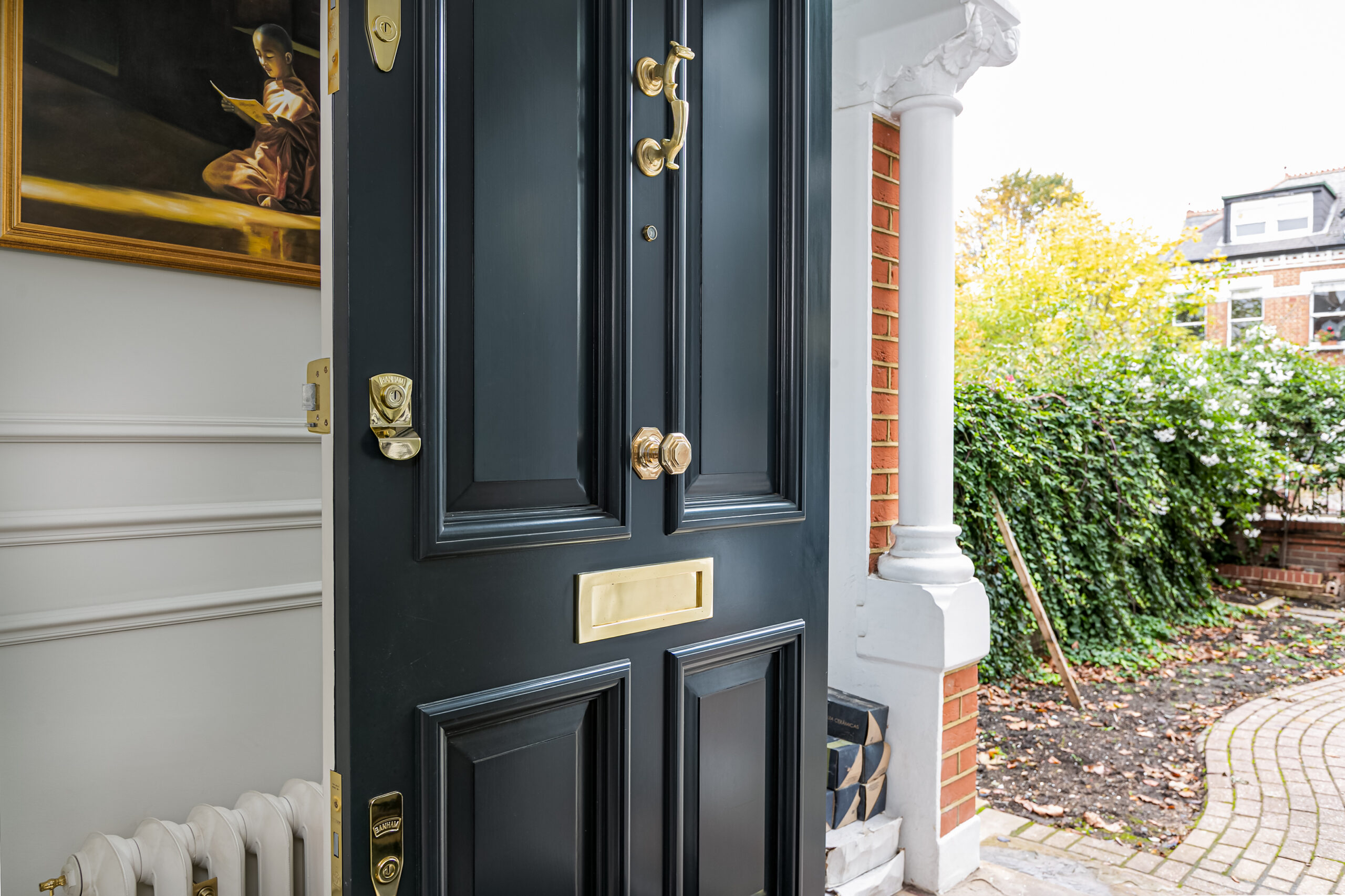
We also see a growing number of homeowners looking to restore the original character of their property. Many period homes have had inappropriate uPVC or aluminium windows installed over the years, and clients want to replace them with timber windows that are sympathetic to the building’s original design and architectural style. Ayrton are specialists in replication and can match timber original profiles and unique features (i.e. glazing bars / curvature / lead bars etc). Sometimes with front doors in particular clients want to change the aesthetic and add some of their own personality to the design – think a different paint colour or adding some unique glass to the stained glass.
All clients usually agree they want to be secure, with modern performance and something that is in keeping with the property but looks great.
One of the biggest surprises for clients is the level of craftsmanship and investment that goes into a truly bespoke timber window or door. While the initial cost is higher than many off-the-shelf alternatives, much of that investment is in the quality of the materials, components and construction, ensuring the product performs beautifully for decades.
We build our windows and doors to last a lifetime, which is why we’re able to offer a 60-year guarantee. Many clients are initially focused on the upfront cost, but they often haven’t considered the long-term value, durability and reduced need for replacement.
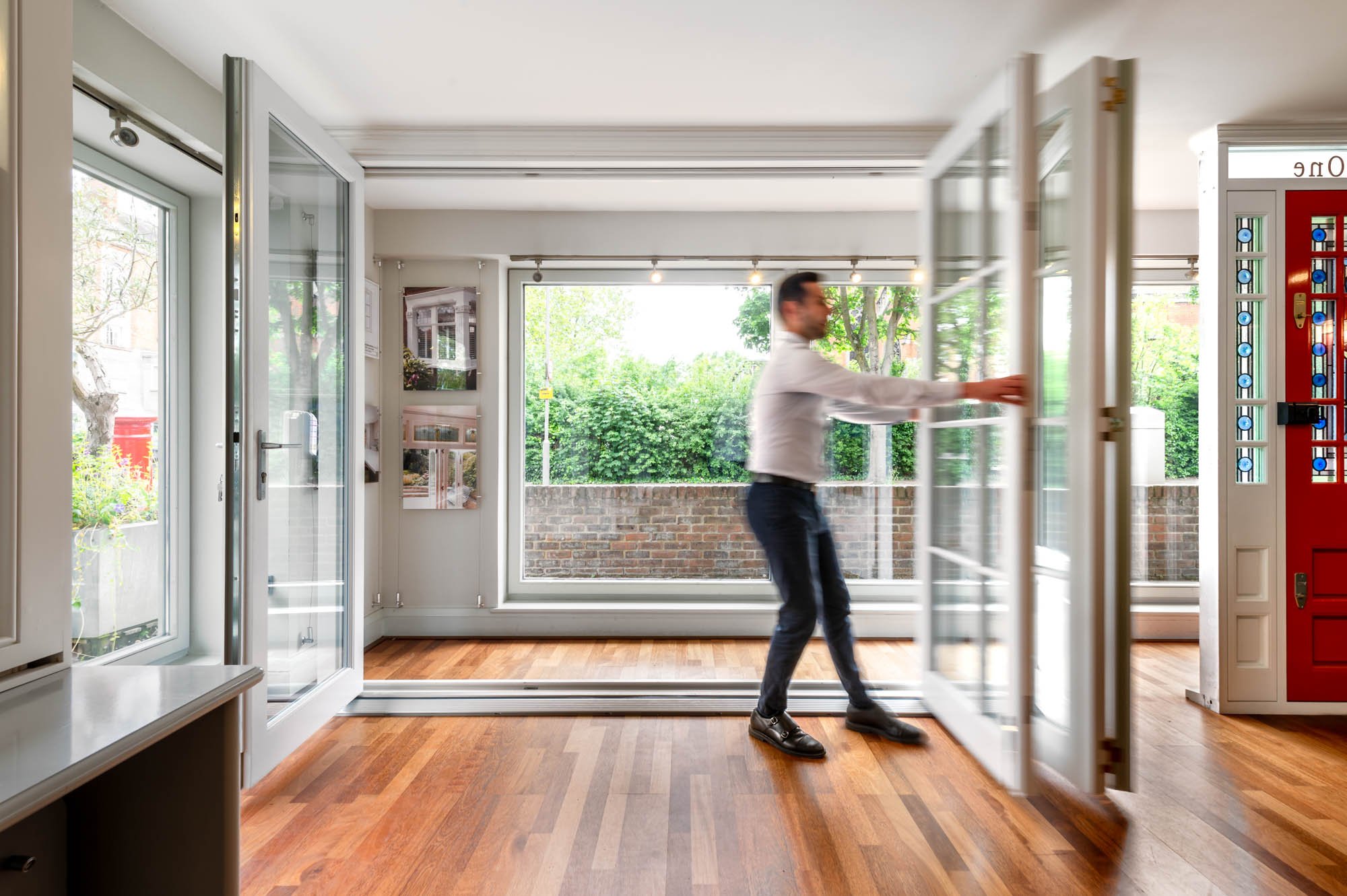
We also encourage clients to visit our showroom whenever possible. It’s a bit like buying a car—you can compare specifications online, but it’s only when you see, touch and operate the products in person that you really appreciate the differences in quality, craftsmanship and attention to detail between suppliers.
Yes, there can occasionally be a misunderstanding around what “bespoke” actually means. Some clients initially interpret it as a level of customisation within a fixed product range, rather than a fully designed and manufactured solution built entirely around their specific requirements.
Lead time is another area where expectations can sometimes differ from reality. We live in a world where services like Amazon have conditioned people to expect very fast turnaround times, but bespoke, made-to-measure joinery naturally takes time to design and manufacture properly.
In terms of the design process itself, it really varies from client to client. Some prefer a quicker, more streamlined approach with minimal revisions, while others like to be involved in every detail and take time to refine their decisions. We’re flexible in how we work and guide clients through the process in whatever level of detail suits them best.
The two most common bespoke timber window styles in London are sash windows and casement windows, and the choice between them is usually determined by the age and architecture of the property. Understanding the difference, and the variations within each style, is an important part of the design process.
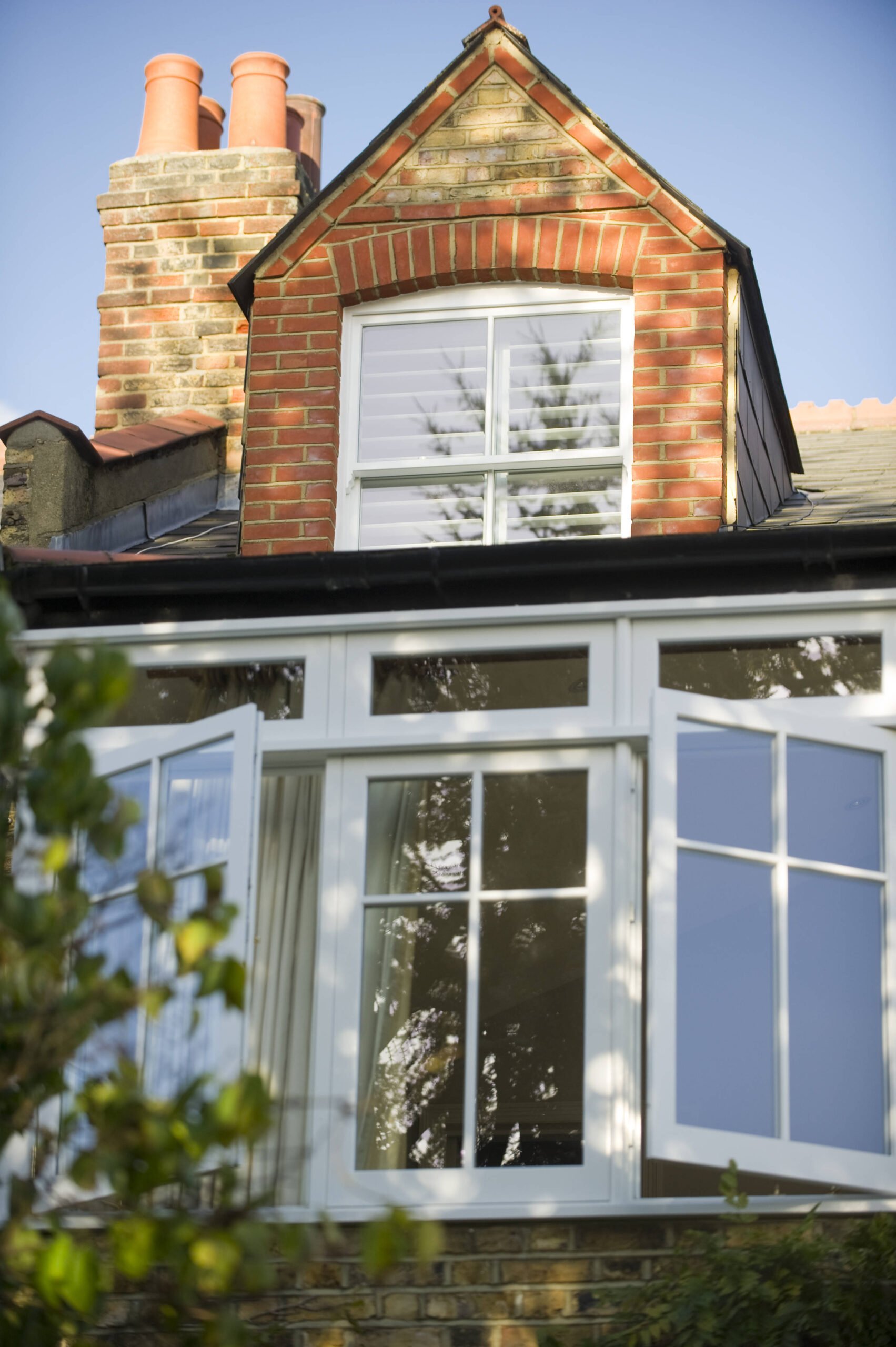
The sash window is the defining window type of London’s Victorian, Georgian, and Edwardian housing stock. A sash window operates vertically, with one or both sashes sliding up and down within the frame, counterbalanced by weights hidden within the box frame. The classic double-hung sash, with its glazing bars and distinctive proportions, is the window that defines the terraced street in London more than any other.
Ayrton’s bespoke sash windows are designed to match the exact proportions and profiles of original windows, including horn details, ovolo mouldings, and the weight-and-pulley mechanism where appropriate. Draught-proofing and double glazing are incorporated without compromising the visual accuracy of the original design.
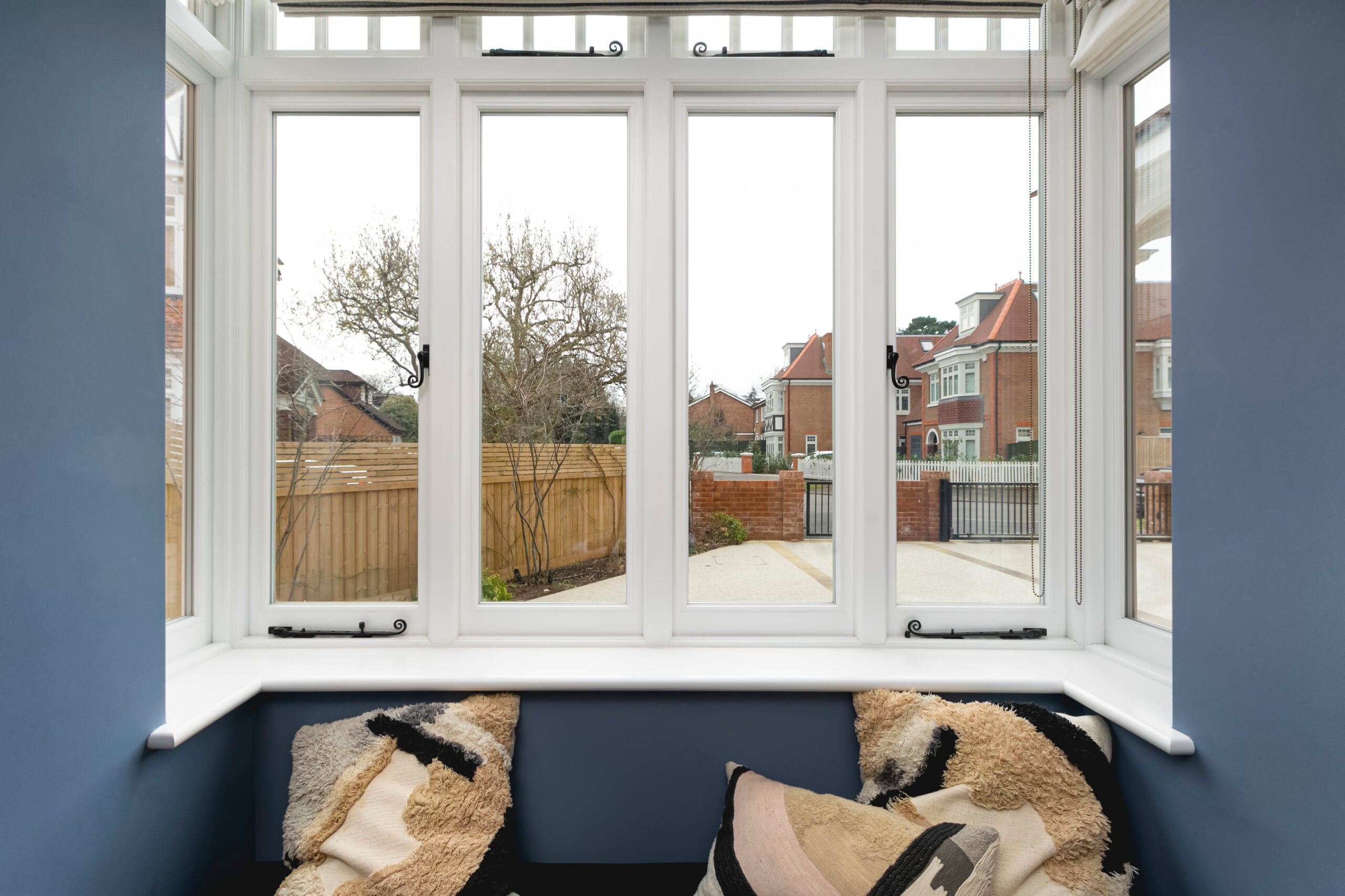
Casement windows open outward on hinges and are either side-hung, top-hung, or a combination. They are more common in 1930s, Arts and Crafts, and later twentieth-century properties and in contemporary extensions. Casements offer excellent ventilation and can accommodate larger panes of glass than a sash window, making them a popular choice where light and openness are a priority.
For properties in conservation areas, listed buildings, and areas under Article 4 Directions, the window specification is often subject to planning requirements. Ayrton specialises in manufacturing to conservation specifications, replicating original window styles, materials, and details with the accuracy required by conservation officers and local planning authorities. Our track record in London’s most sensitive conservation areas is one of our key differentiators.
Bespoke manufacture allows for window types that no standard product range can accommodate: dormer windows for loft conversions, bay window configurations for Victorian and Edwardian fronts, shaped and arched windows for feature openings, and purpose-built windows for extensions. These are all areas where bespoke manufacture is not a premium option but a practical necessity.

4. What’s the most common reason homeowners give for choosing timber over uPVC or aluminium?
Many of our clients want to preserve and replicate the original character and detailing of their existing windows. A large proportion of the work we undertake in London properties involves replacing original single-glazed timber windows that have deteriorated over time, while carefully retaining the traditional aesthetic and architectural features of the property.
Our clients are typically looking to combine the appearance of the original windows with the benefits of modern performance, including double glazing, improved thermal efficiency, enhanced security, and long-term durability. uPVC and aluminium systems are often unable to accurately replicate traditional frame profiles or deliver across all of these requirements, and they are generally not designed with the same longevity in mind — which is reflected in their lower cost point.
Plenty! So often builders put in cheaper solutions to cut costs when doing home renovations. We often reinstate timber back into people’s homes when all other materials have been used, often to the detriment of the home’s aesthetic and character.
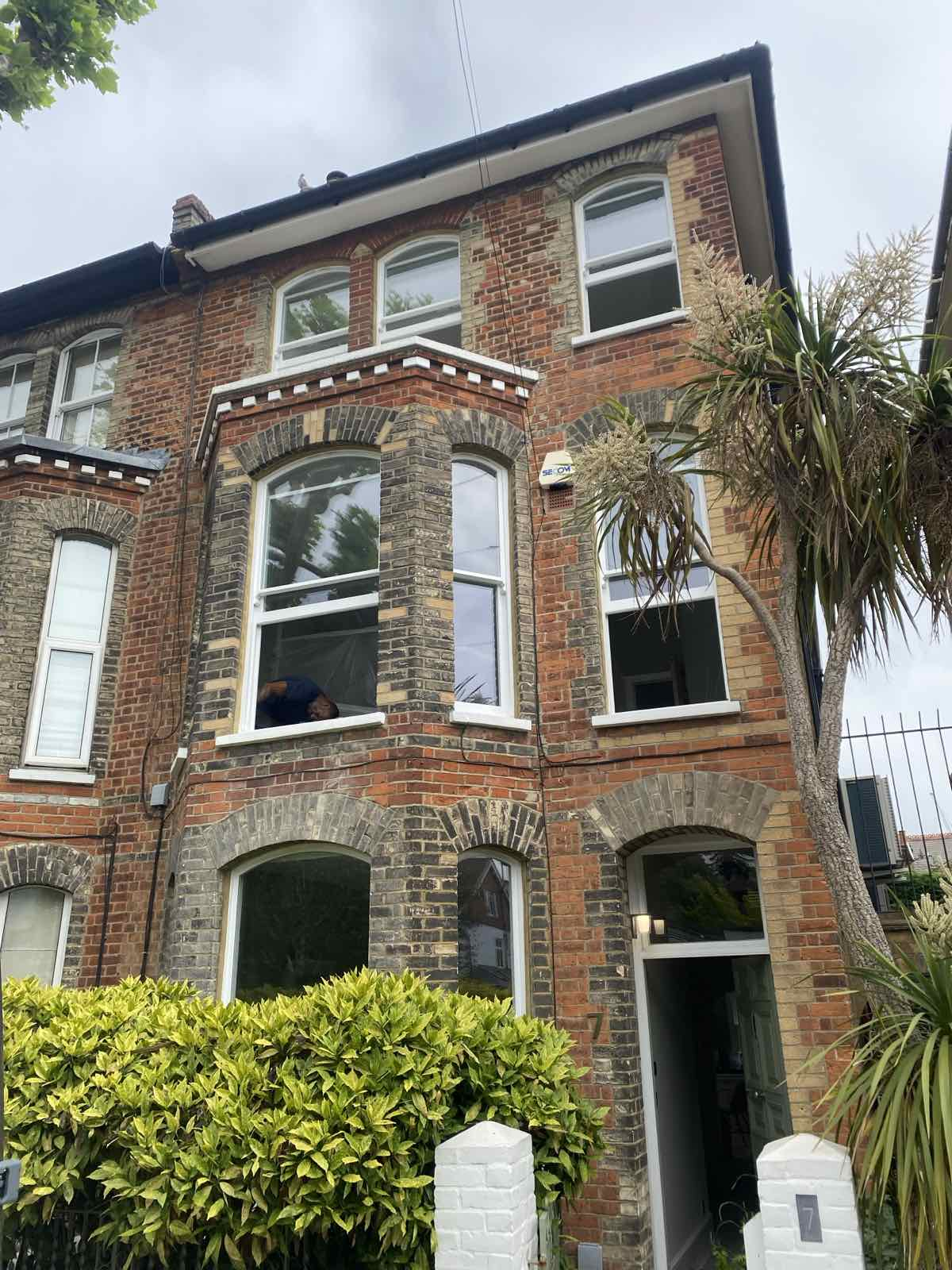
The quality of a bespoke timber window is determined not just by the design but by the materials used throughout its construction. Understanding the main choices and the differences between materials helps homeowners make better decisions and understand why costs vary between suppliers.
Ayrton uses Latvian Redwood as its primary window timber. Slow-grown in the cold Baltic climate, Latvian Redwood develops a tight, dense grain that gives it excellent stability and strength, along with a smooth, consistent surface that takes paint exceptionally well. It machines cleanly and holds fine joinery detail, which is why it has long been the timber of choice for high-quality bespoke windows in demanding environments such as London. For cills, the most weather-exposed part of any window, Ayrton specifies Meranti, a durable hardwood with superior resistance to moisture and decay.
When requested, we also manufacture bespoke timber windows and doors from Accoya wood.
Modern bespoke timber windows can accommodate a wide range of glazing specifications, from standard glazing to high-performance double glazing, acoustic glass, and specialist conservation glass for heritage applications. The glazing specification should be chosen in relation to the window’s location (north or south facing, road-facing or garden-facing), the thermal performance targets for the property, and any planning constraints that apply.
The ironmongery on a bespoke window—the handles, stays, fasteners, and pulleys—contributes significantly to both the appearance and the performance of the finished product. Ayrton offers a range of ironmongery options, including polished chrome, pewter patina, and satin, burnished, and antique brass. For conservation and heritage projects, period-appropriate ironmongery is available to match original specifications. We work with leading UK blacksmiths, including From the Anvil and SDS London.
The finish of a bespoke timber window is not just an aesthetic choice; it is a significant factor in its long-term durability. At Ayrton, our bespoke timber windows are hand-crafted but machine-finished under factory conditions for durability and surfaces that are as weather-resistant as possible. We rely on a 4-layer, factory-applied TEKNOS paint system, using leading UK and international paint brands, including Little Greene, Dulux, Farrow & Ball, and RAL.
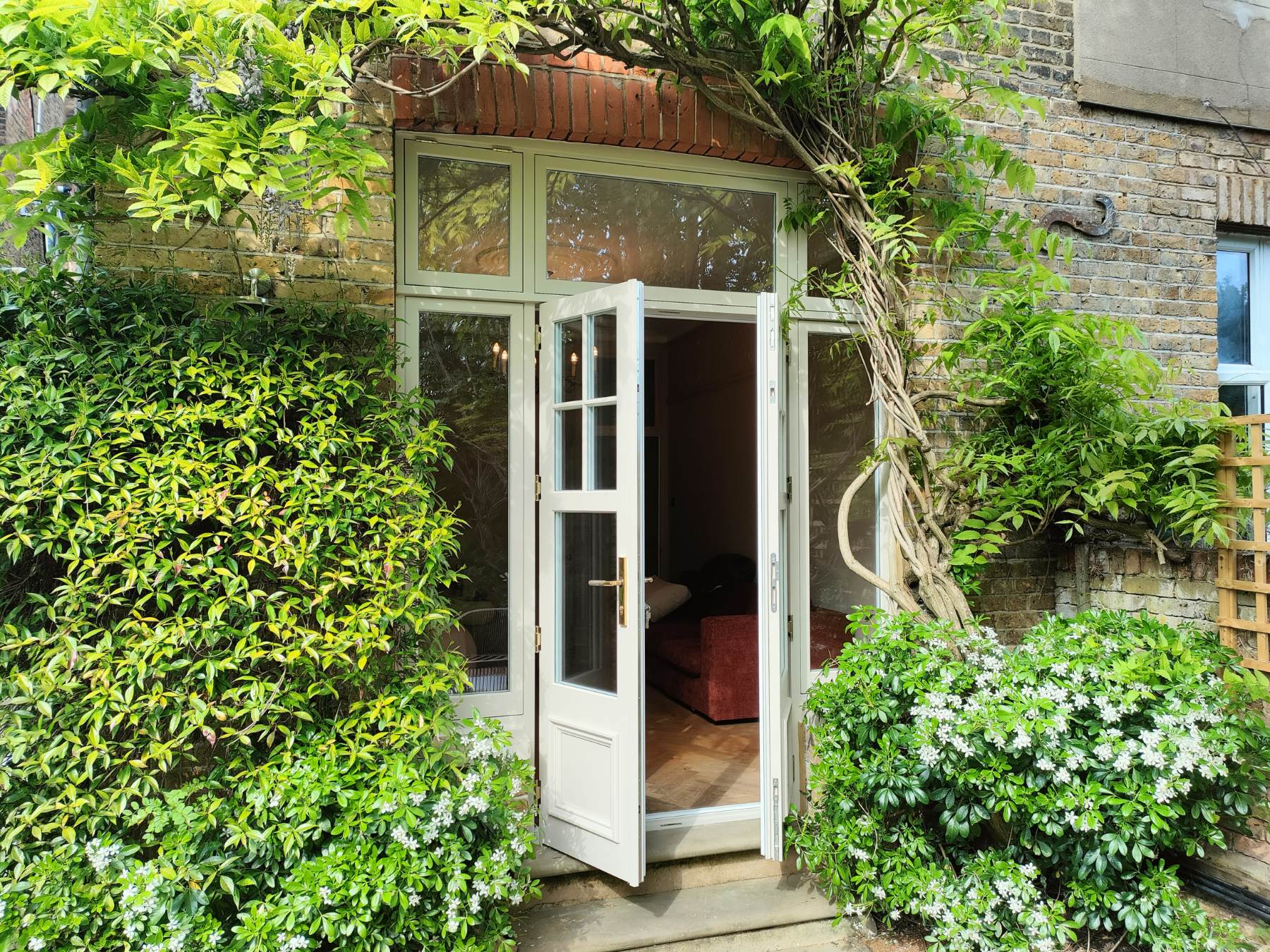

There is often a misconception that hardwood is always the better choice simply because it’s “hardwood.” In reality, the best timber depends on where it’s being used and how it’s engineered.
Our primary timber is engineered Latvian Redwood, a slow-grown pine from a cold climate. Because it grows more slowly, the timber has a tighter grain and greater stability, making it exceptionally well suited to the UK’s climate and providing excellent long-term performance.
The majority of each window or door is manufactured from engineered Latvian Redwood, created by laminating four pieces of timber together. This engineering process significantly reduces the natural movement that can occur in solid timber, resulting in a stronger, more stable product that is less likely to warp or twist over time.
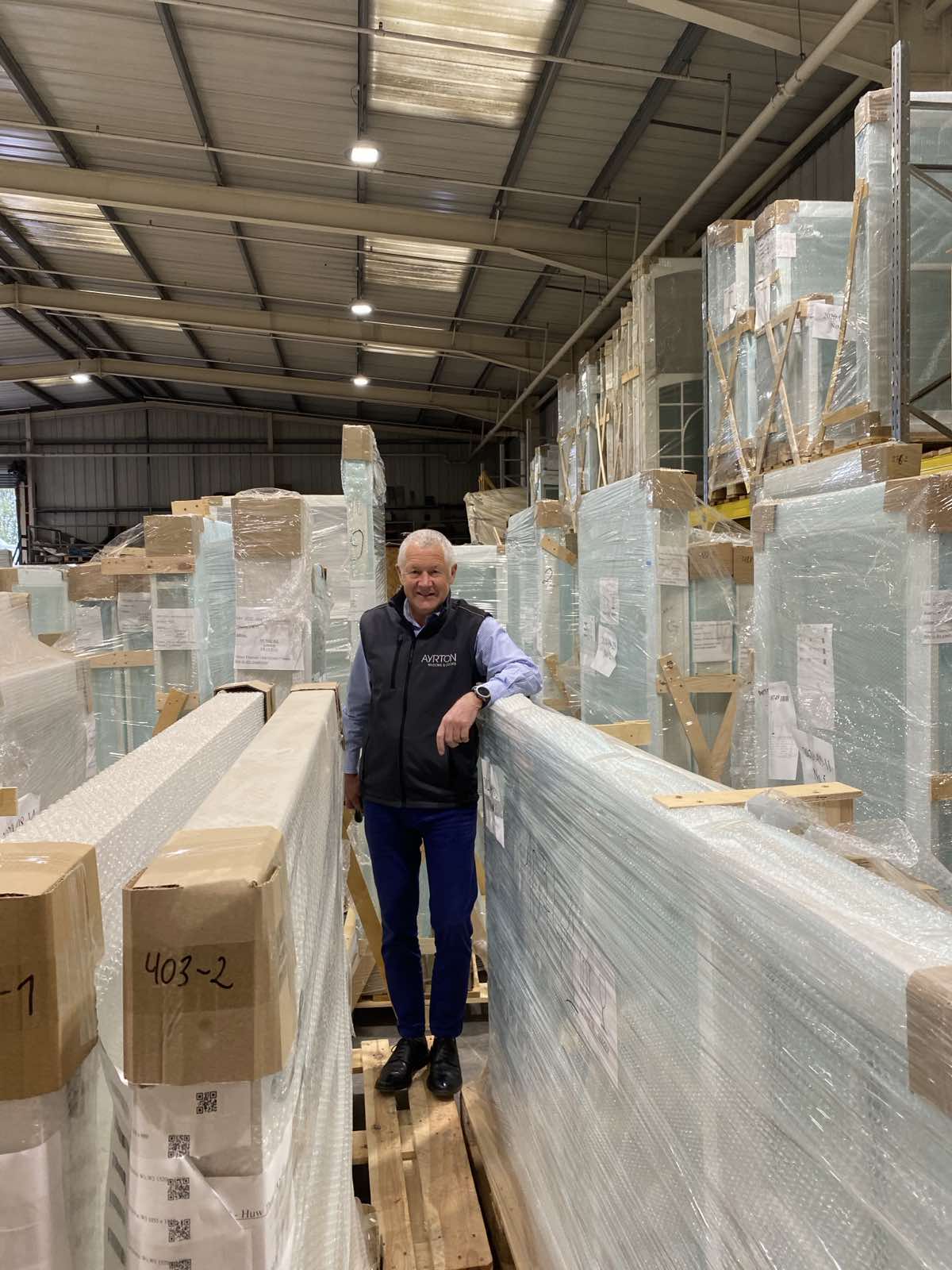
With more than 60 years of manufacturing experience, we’ve found this to be the optimum construction method. We produce around 4,500 windows and doors each year using this approach because it consistently delivers the best balance of durability, stability and performance.
We do use hardwood where it genuinely offers an advantage—on cills and thresholds, where there is prolonged exposure to standing water. By combining engineered Latvian Redwood with hardwood only where it’s needed, we create a product that is both more sustainable and better engineered, without using tropical hardwood unnecessarily.
One of the biggest mistakes we see is homeowners focusing solely on the glazing rather than the window as a complete system. Replacing the glass alone can appear to be a more cost-effective option, but it often doesn’t solve the underlying issues. Older window frames can move or distort over time, making it difficult to achieve an effective seal with new glazing alone, which can still lead to draughts and reduced performance.
Security is another area that’s often overlooked. We believe all glazing should be internally beaded, meaning the glazing beads are fitted from the inside of the property. This removes the opportunity for someone to remove the glass from outside, significantly improving security. Unfortunately, some lower-cost suppliers use external beading as a cost-saving measure, which can leave windows more vulnerable to burglary and allow moisture to penetrate the beading over time. We’ve replaced many poorly manufactured windows where this has become a problem.
We’re also frequently asked whether triple glazing is necessary. For the vast majority of homes, our answer is no. Upgrading from single glazing to a high-quality, well-installed double-glazed timber window provides a substantial improvement in thermal performance, comfort and energy efficiency. In most cases, double glazing delivers everything homeowners need without the additional cost and weight of triple glazing, also not suitable for the profiles and angles of period London homes.
New windows in London are subject to a range of planning and building regulation requirements, and the rules around replacing and installing windows vary significantly depending on the property type, its location, and whether it falls within a conservation area, listed building designation, or Article 4 Direction.
Most straightforward window replacements in standard residential properties fall under Permitted Development Rights (PDR), meaning planning permission is not required, provided the replacement windows are of a similar appearance to the originals. However, PDR does not apply universally, and the rules are interpreted differently by different local authorities. Always confirm the status of your property before assuming PDR applies.
London has one of the highest concentrations of conservation areas of any city in the UK. In these areas, window replacements that are visible from the street typically require planning permission and the specification of the new windows must be approved by the local conservation officer. Ayrton has extensive experience navigating this process across all London boroughs, and its windows are designed and manufactured to meet conservation authority requirements.
Listed building consent is required for any alterations to a listed building that affect its character or appearance, including window replacement. The standard for listed building consent is high: new windows must closely replicate the original style, materials, and construction. Ayrton’s heritage and conservation specification is designed specifically for this context.
Separate from planning permission, all new windows in England must comply with Building Regulations, particularly Part L (energy efficiency) and Part Q (security). FENSA certification—which Ayrton holds—allows approved installers to self-certify compliance with Building Regulations, removing the need for a separate building control inspection.
The most common question we hear is, “Do we need planning permission to replace our windows?”
Many homeowners are understandably unsure, particularly if they live in a conservation area or own a period property. The good news is that, in most cases, planning permission isn’t required when you’re replacing timber windows on a like-for-like basis that complies with local conservation guidelines. Every local authority has its own requirements, so we always assess each project on a case-by-case basis and can advise homeowners accordingly.
Where planning permission is more likely to be needed is if you’re changing the appearance of the property—for example, replacing timber with uPVC, altering the window design or changing the original colour. We generally advise against these changes, particularly on period properties, as retaining the building’s original character is usually the best approach both aesthetically and from a planning perspective.
Helping homeowners navigate planning requirements is all part of the service, ensuring they can make informed decisions with confidence from the outset.
Understanding how the process works — from first contact through to installed windows — is one of the most useful things a homeowner can know before they begin. Understanding the bespoke timber window design process sets expectations, helps with planning, and makes the difference between a smooth project and a stressful one.
Ayrton’s process has five stages:
The process begins either with a visit to one of Ayrton’s four London showrooms—in Wandsworth, Dulwich, Crouch End, and Notting Hill—or with an online or phone enquiry. The showrooms allow homeowners to see the full range of window and door styles in person, speak with the design team, and get an initial feel for what’s possible. Visiting a showroom before committing to a home visit is not required, but many homeowners find it helpful.
Ayrton’s team visits the property to assess the scope of the project, discuss design options, take initial measurements, and provide a detailed, itemised quote. Home visits cover all London postcodes and are carried out by members of Ayrton’s own design team—not third-party surveyors. There is no charge for the consultation and no obligation to proceed.
Once a quote has been provided, homeowners have the opportunity to review it in detail, revisit the showroom, arrange to inspect a nearby Ayrton installation, or speak directly with existing Ayrton customers. Designs can be refined at this stage before anything is finalised. Ayrton will quote for alternative specifications where it helps a homeowner understand the cost implications of different choices.
Once a deposit is confirmed, Ayrton conducts a detailed technical survey, finalises the design, and begins manufacturing the windows in its own factory. Lead times vary depending on the specification and volume of the project; however, our team will keep you up to date at all times. All manufacturing is carried out to Ayrton’s own exacting quality standards.
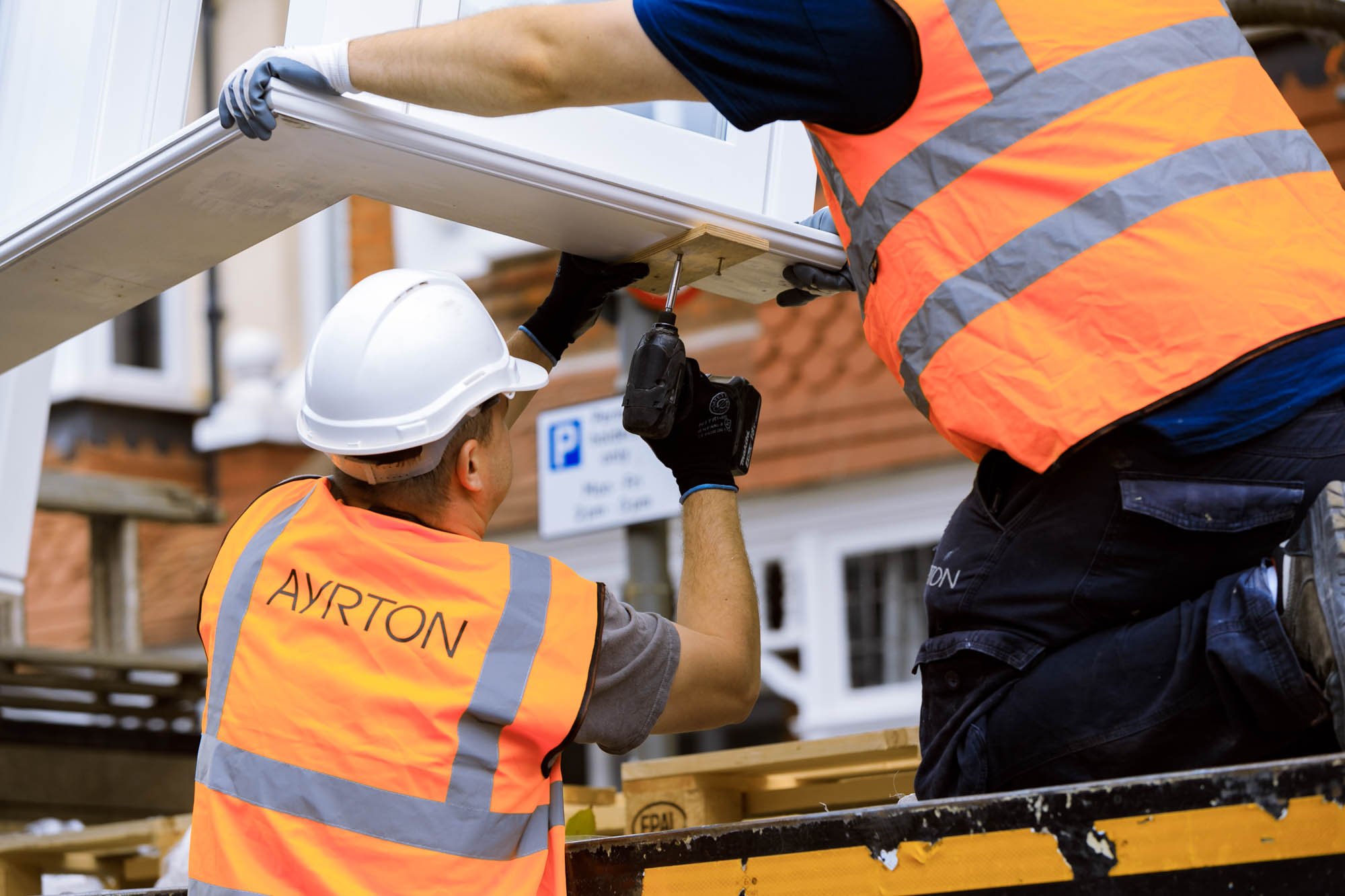
All Ayrton installations are carried out by Ayrton’s own employed installation team, not subcontractors. Installers are trained to Ayrton’s standards and are experienced in the specific challenges of London property installations, including period properties, conservation areas, and access constraints. A standard window installation is typically completed within one to two days, depending on the number of windows and the complexity of the project.
One of the most consistent positive surprises for homeowners is just how much of a difference new windows and doors make to the overall comfort of their home. Many notice immediate improvements in warmth during the winter, cooler temperatures in the summer, and a significant reduction in outside noise. The added sense of security also gives real peace of mind.
Clients are often equally impressed by the installation process itself. We regularly receive feedback on how tidy, respectful and professional our installers are while working in people’s homes, which is something we take great pride in.
Another area that often comes as a surprise is the strength of our guarantees. Homeowners are frequently taken aback to learn about the longevity of our timber products, including anti-rot protection and guarantees of up to 60 years. Many are also pleasantly surprised by how low-maintenance the finish is, with no need for frequent repainting as is often assumed with timber windows and doors.
Overall, many of our clients come back to us for additional work, which we see as the strongest reflection of a positive experience and long-term trust in what we deliver.
Please find attached our “Preparing for Installation Guide”, which we share with clients ahead of their installation. Once a deposit has been paid, we carry out a full project survey to review all details and discuss any logistical considerations directly with the client.
Prior to installation, our Operations team also sends a pre-installation form asking clients to notify Ayrton of any changes since the survey stage, such as radiators positioned in front of windows, additional wiring, or any other alterations. Given our lead times, changes can occasionally occur between the initial survey and installation date, so we ask clients to keep us informed of any updates in advance to help avoid unexpected issues or delays.
On arrival, our installers will run through the installation plan with the client, and Ayrton’s Operations team remains in daily contact throughout the project to ensure everything runs smoothly. Preparation is key!
Our typical lead time for most products is 12–14 weeks from the point of technical survey, while stained glass and bi-fold doors generally carry a lead time of 16–18 weeks. Whether your project involves a single window or 30 windows, our factory is able to deliver within these timeframes.
For larger building or renovation projects, we always recommend planning ahead to ensure you are secured within our installation schedule and able to meet any key build deadlines.
Window replacement is one of the most significant home improvement projects a London homeowner will undertake, and the decisions made at the outset have long consequences. These are the mistakes that Ayrton’s team sees most often and the ones that are easiest to avoid with the right advice.
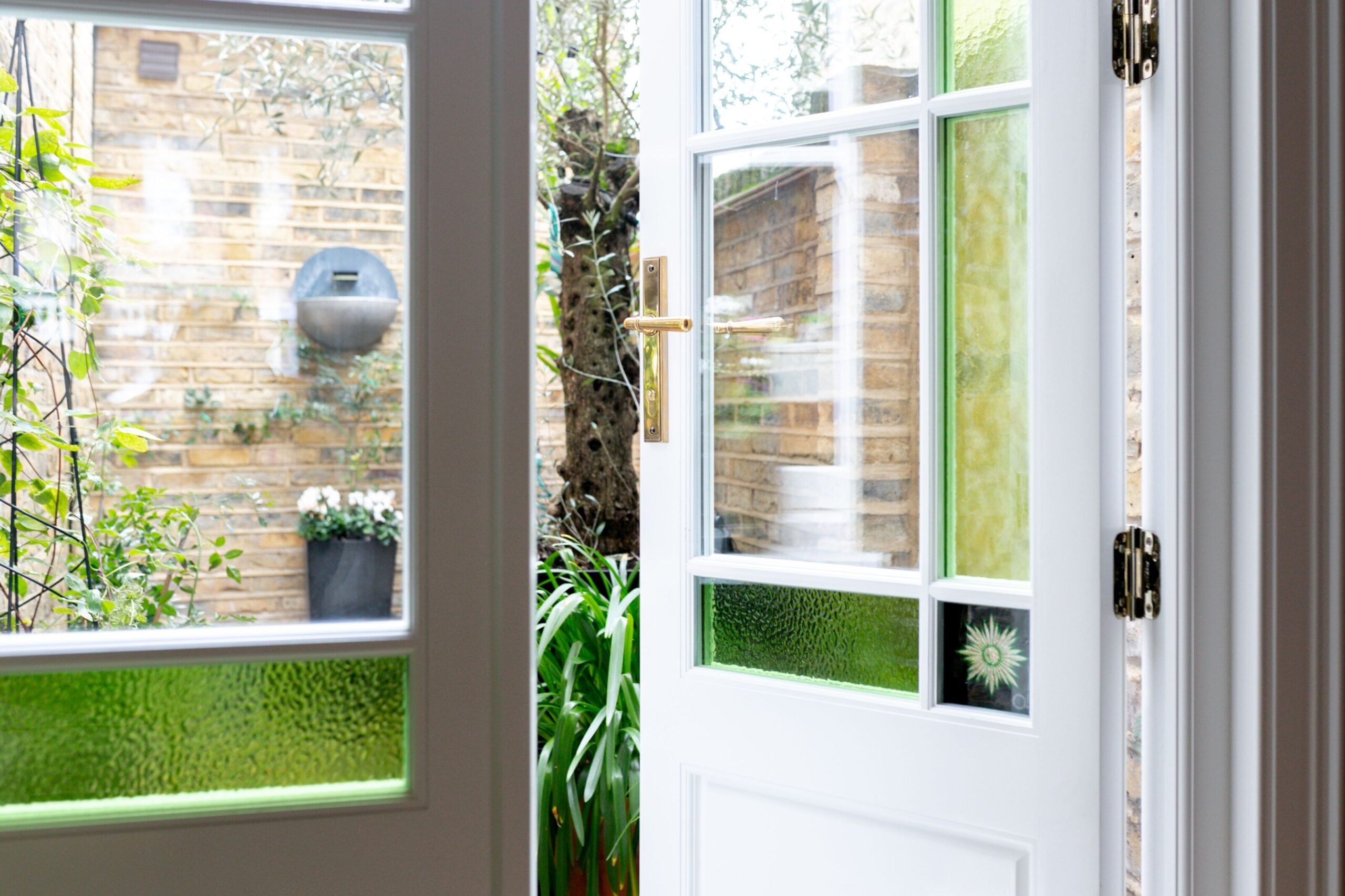
A cheaper quote is not always a better deal. Window pricing varies enormously depending on what is included: some quotes exclude the survey, the installation, the glazing unit, or the finishing. Always ask for a fully itemised quote and confirm that it covers everything from design through to the last screw on installation day.
In London, the proportion of properties with some form of planning constraint—conservation area designation, Article 4 Direction, or listed status—is high. Assuming that a replacement window will be straightforward is a common mistake. The right time to check is before you get quotes, not after you’ve placed an order.
The quality of a bespoke window is only as good as its installation. A poorly fitted window, with inadequate sealing, incorrect adjustment, or careless finishing, will underperform regardless of the quality of the product itself. Ayrton’s installation team are employed directly by the company and trained to its own standards: this is not an area where Ayrton cuts costs.
Homeowners who engage with the design process at a superficial level, for example, ‘just replace what’s there’, often end up with windows that are less well-suited to their property than they could have been. The design consultation is the right moment to ask about glazing options, draught-proofing, ironmongery, and finish, not after the order is placed.
Part replacement vs full replacement – it is very difficult for a company to achieve long term results with just replacing certain components and it doesn’t come with guarantees. Many companies offer part replacement as a shortcut and they can increase their cost margin – however, this is a false economy – to get the best draught seal, performance and security you need to be replacing the entire unit.
Another mistake would be not doing enough research when reviewing quotes – it is so important to visit showrooms or look at online reviews. You wouldn’t buy an expensive car without test driving it! Your windows are a functional part of the house and the technical details matter!
Why Choose Ayrton for Bespoke Timber Windows in London?
Ayrton Windows & Doors has been designing, manufacturing, and installing bespoke timber windows across London for over 25 years. The company is FENSA-certified, Accoya-accredited, and FSD-certified, and has been featured in the Evening Standard, Absolutely Magazines, Time & Leisure, and Nappy Valley Net.
The core of what makes Ayrton different is its model: design, manufacture, and installation are all carried out in-house, by Ayrton’s own team. There are no third-party manufacturers, no subcontracted installation crews, and no gap between the people who made the window and the people who fit it. This is not common in the industry, and it makes a difference that is visible in the finished result.
Ayrton operates four London showrooms—in Wandsworth, Dulwich, Crouch End, and Notting Hill—where homeowners can see the full product range in person, speak with the design team, and arrange for a free at-home consultation. All London postcodes are covered.
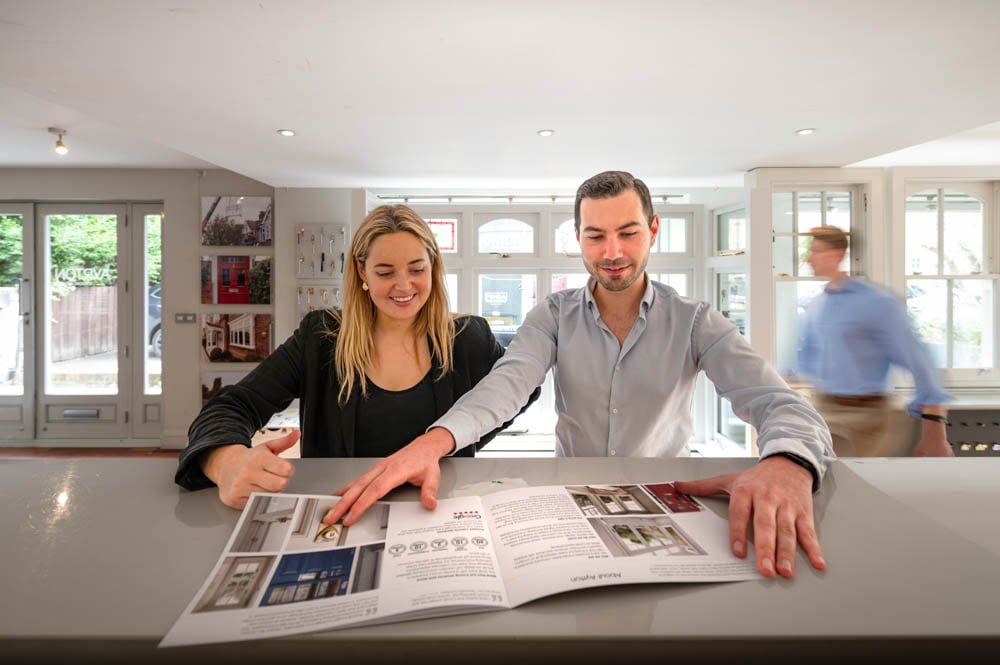
We believe what sets Ayrton apart is that we’re a people business first and foremost. We genuinely care about our clients and the homes we’re working on, and our relationship doesn’t end once the installation is complete. We’re there to provide support and advice for many years to come.
The window industry has unfortunately left many homeowners with poor experiences, whether that’s substandard products, inadequate aftercare or companies that disappear once the job is finished. We work hard to earn our clients’ trust by being transparent, delivering exceptional craftsmanship and standing behind everything we make.
We’re also specialists. Rather than offering every type of window on the market, we focus exclusively on bespoke timber replacement windows and doors. That specialist knowledge, combined with high-quality materials and traditional craftsmanship, enables us to produce products that are designed to last for generations, not just years.
For us, it’s about delivering long-term value, preserving the character of a property and giving homeowners complete confidence that they’ve made the right investment.
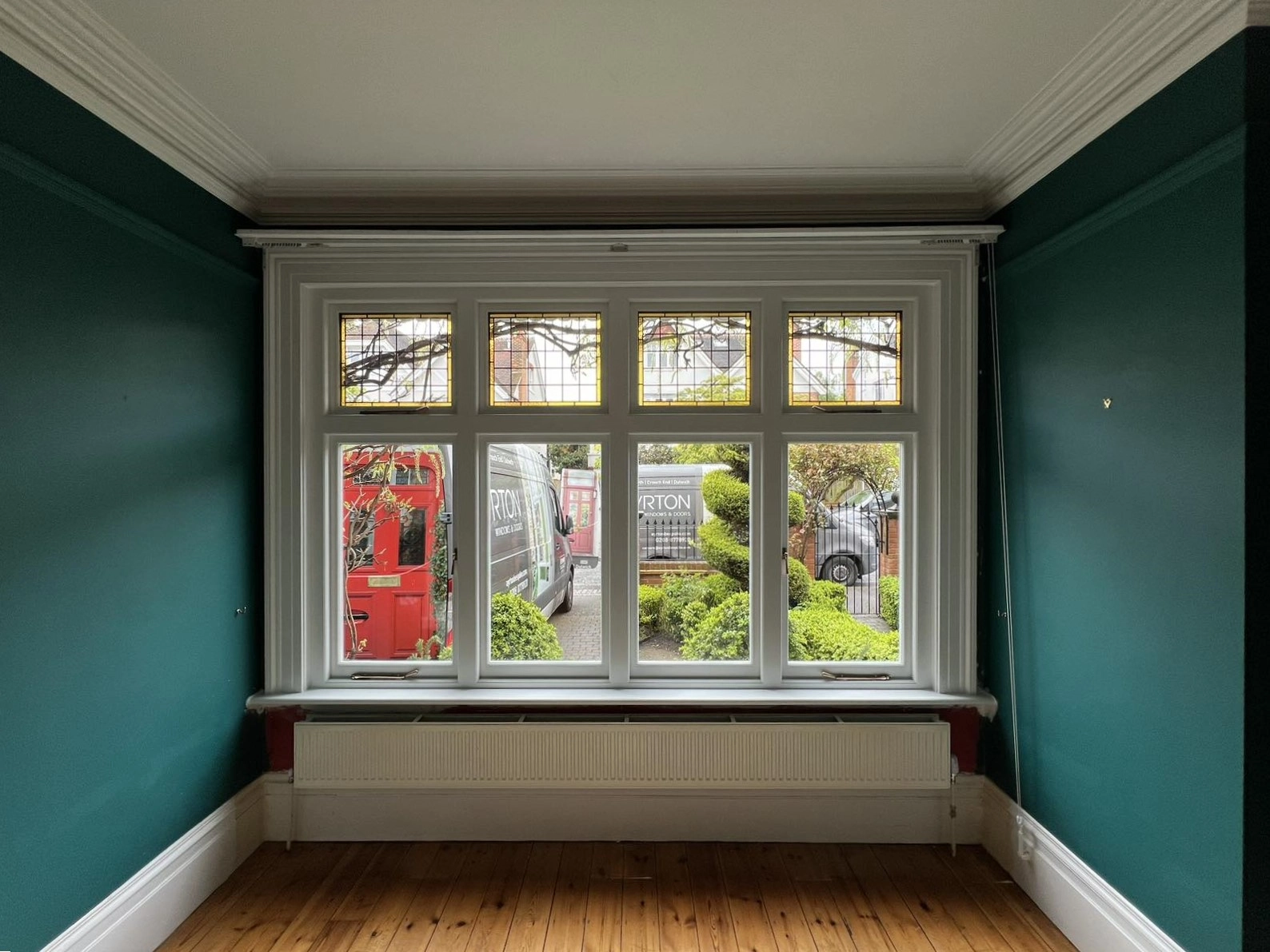
Getting Started: Next Steps for London Homeowners
Bespoke timber windows are a significant investment and the right approach is to start the conversation early, before you’re under pressure to make a decision quickly. The more time you give yourself to understand your options, the better the outcome will be.
Ayrton’s process begins with a visit to one of our four London showrooms. Each showroom has the full range of products on display, making it a great opportunity to ask those initial questions, explore the options and familiarise yourself with the quality, materials and finer details of the products.
From there, we’ll arrange a free at-home design consultation, where the team can assess your property, discuss your requirements and provide a fully itemised quote. There’s no obligation to proceed and no hard sell, just expert advice to help you make the right decision for your home.
Whether you are replacing a single window, refurbishing an entire Victorian terrace, or navigating the complexities of a conservation area or listed building, Ayrton’s team is the right starting point.
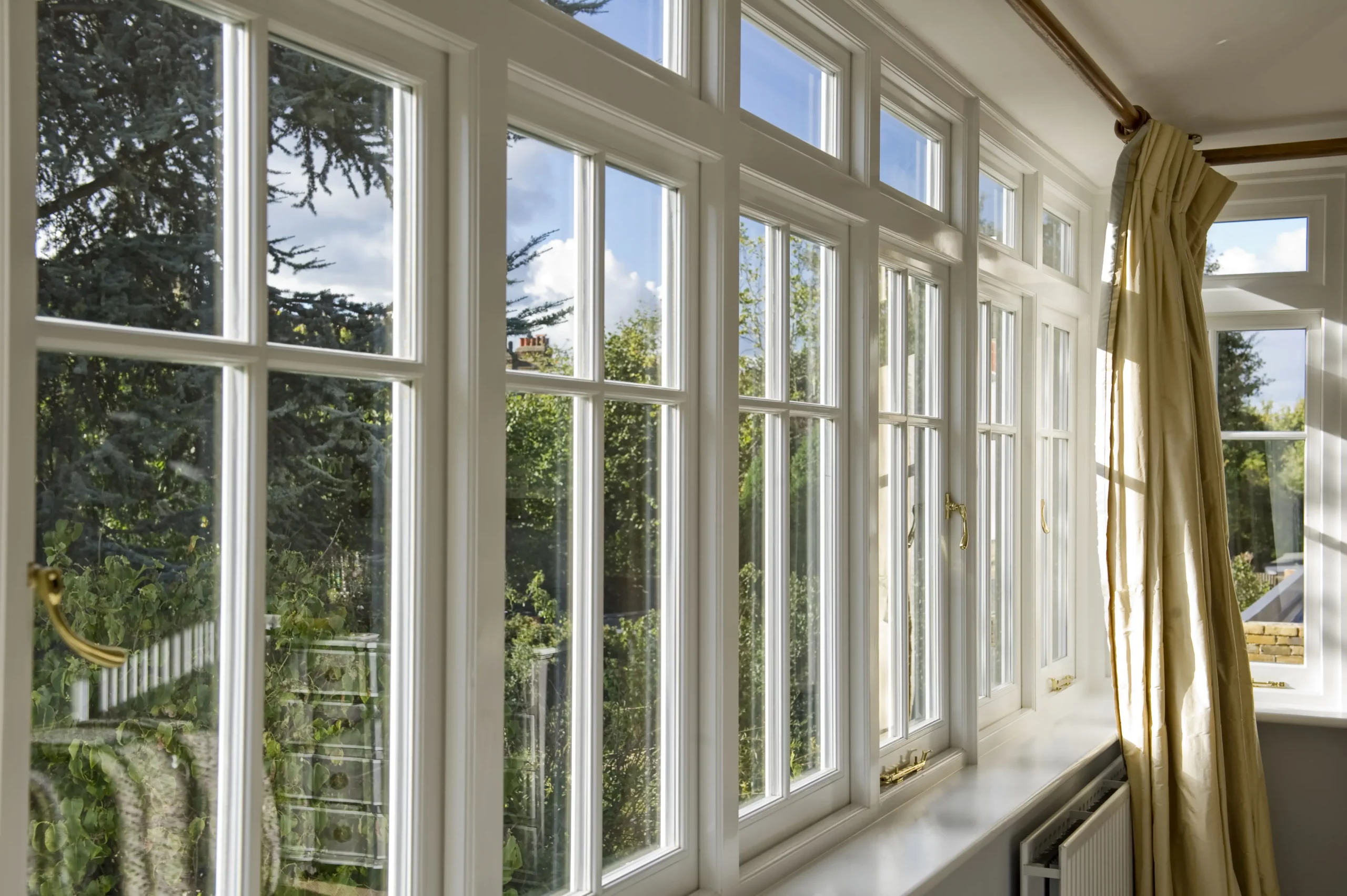
with one of the friendly
Ayrton team?
Our team will be happy to answer any questions you might have. Alternatively, why not pop into one of our showrooms to see our products in person, grab a coffee and talk through how to get the best for your home with one of our friendly design team.