

Timber vs uPVC Windows in London: What's the Real Difference?
Bespoke timber windows cost more than uPVC. More than aluminium. More than a standard replacement window from a national chain. If you’re looking at quotes and wondering what you’re actually paying for, and whether it’s worth it, this page is for you.
We’re going to answer both parts of that question honestly. First: what drives the cost of a bespoke timber window, and why the gap between timber and cheaper alternatives is not simply a margin decision. Second: when that premium is clearly justified, when it’s a matter of priorities and context, and when it might not be the right investment for every homeowner.
Ayrton has been making bespoke timber windows in London for over 25 years. We see, regularly, what happens when homeowners choose the cheaper route, and we see what homeowners who chose timber think about that decision a decade later. Both of those perspectives inform this guide.
The price of a bespoke timber window from Ayrton is not simply the cost of timber plus a margin. It is the sum of a series of decisions about materials, processes, people, and standards that each add cost and each add value. Understanding what those decisions are is the starting point for understanding whether the total is worth it.
Slow-growing Latvian redwood, FSC-certified, glue-and-laminate construction. Meranti hardwood sills. The material is more expensive than softwood or uPVC by design, and that cost reflects a specific decision about longevity.
Every Ayrton window leaves the factory with a full 4-layer TEKNOS paint system: primer, undercoat, and two topcoats. This is not standard practice in the industry. Most competitors deliver bare timber or a single coat. The TEKNOS system extends the repainting cycle and is a significant part of the per-window cost. It is designed for minimal maintenance to withstand the unpredictable British weather.
Each window is designed from scratch and manufactured to the exact measurements of a single aperture. There are no standard sizes, no catalogue products, and no off-cuts repurposed from other jobs. Every window is a unique fabrication.
Ayrton’s team visits every property before a quote is issued. This is a skilled, time-intensive service and it is included at no charge. Our team offer expert advice either in your home or in one of our four London showrooms.
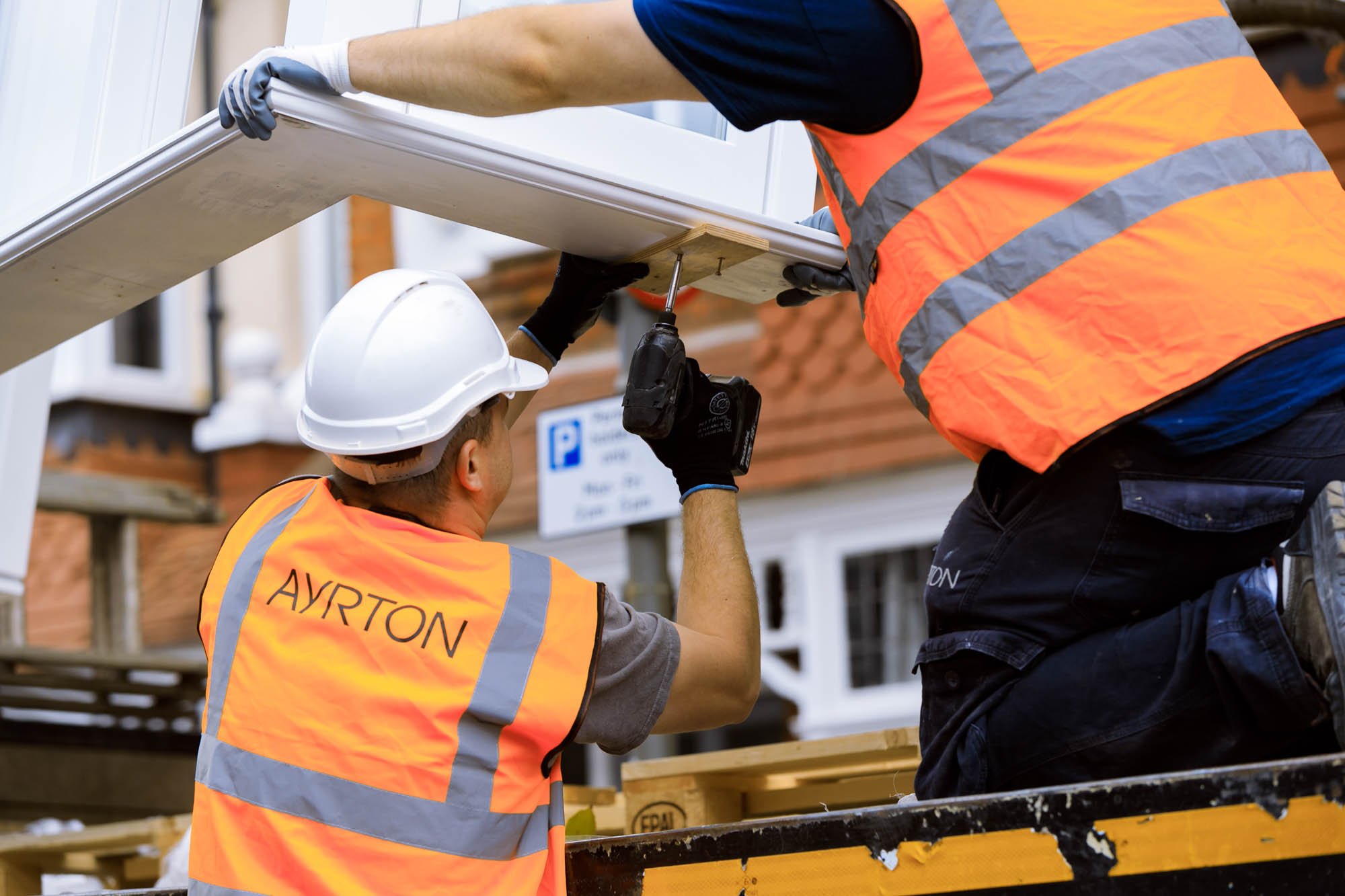
All Ayrton installations are carried out by Ayrton’s own employed team, not subcontractors. The installers are trained to Ayrton’s standards and are skilled joiners who have worked on hundreds of London period properties. This consistency of quality has a cost: directly employed specialist installers are more expensive than subcontracted labour.
Ayrton removes and responsibly disposes of existing windows and frames at its London recycling facilities. This is included in the project cost, not billed as an extra.
Ayrton’s guarantees on workmanship, glazing units, hardware, and the timber itself are among the most comprehensive in the industry. A guarantee is only worth something if the company behind it is committed to honouring it.

I would always come back to the quality of the materials, the attention to detail in the construction and the level of craftsmanship.
Firstly, we use carefully selected, engineered timber for stability and longevity, rather than compromising on the materials that go into the product.
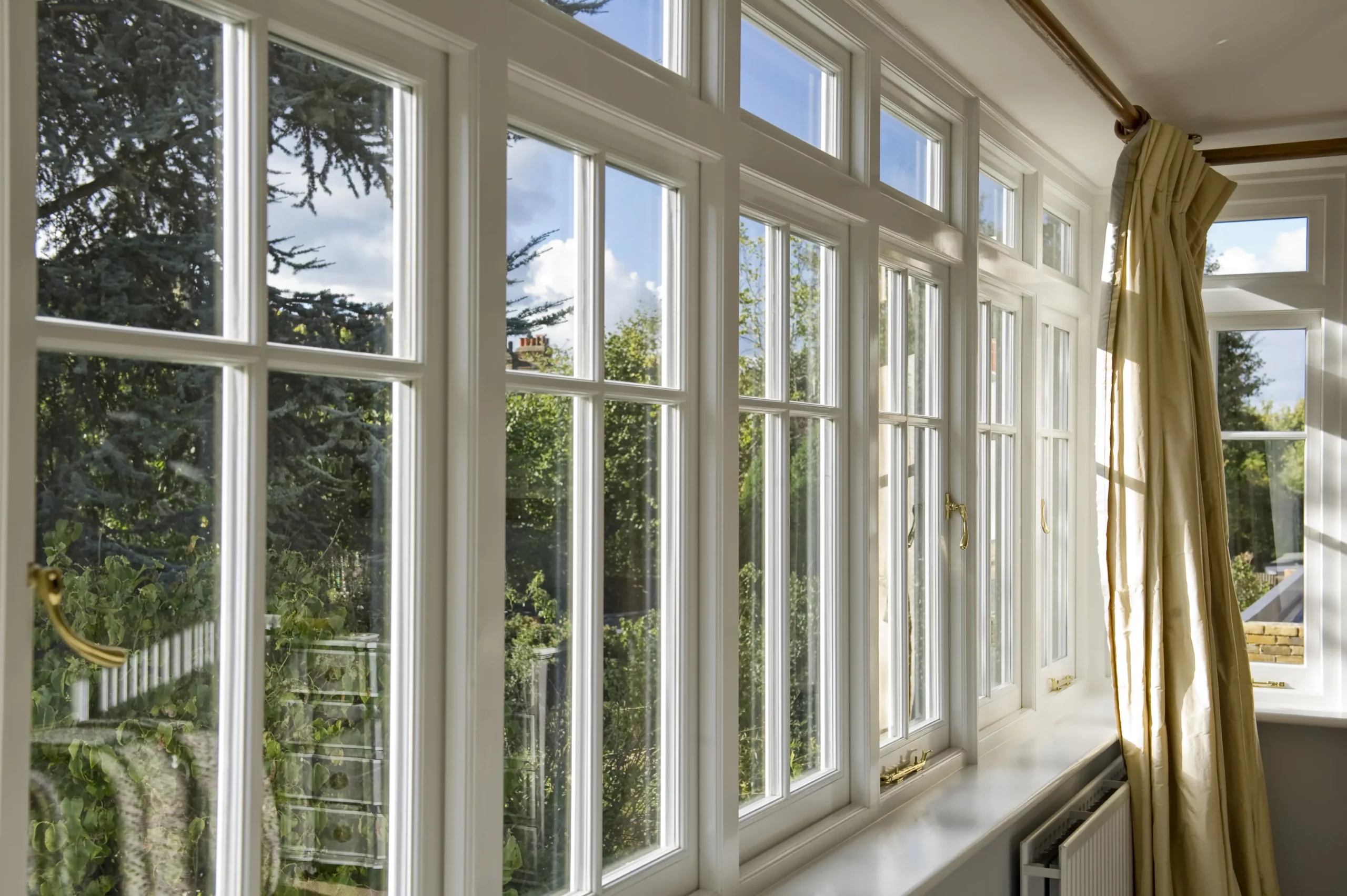
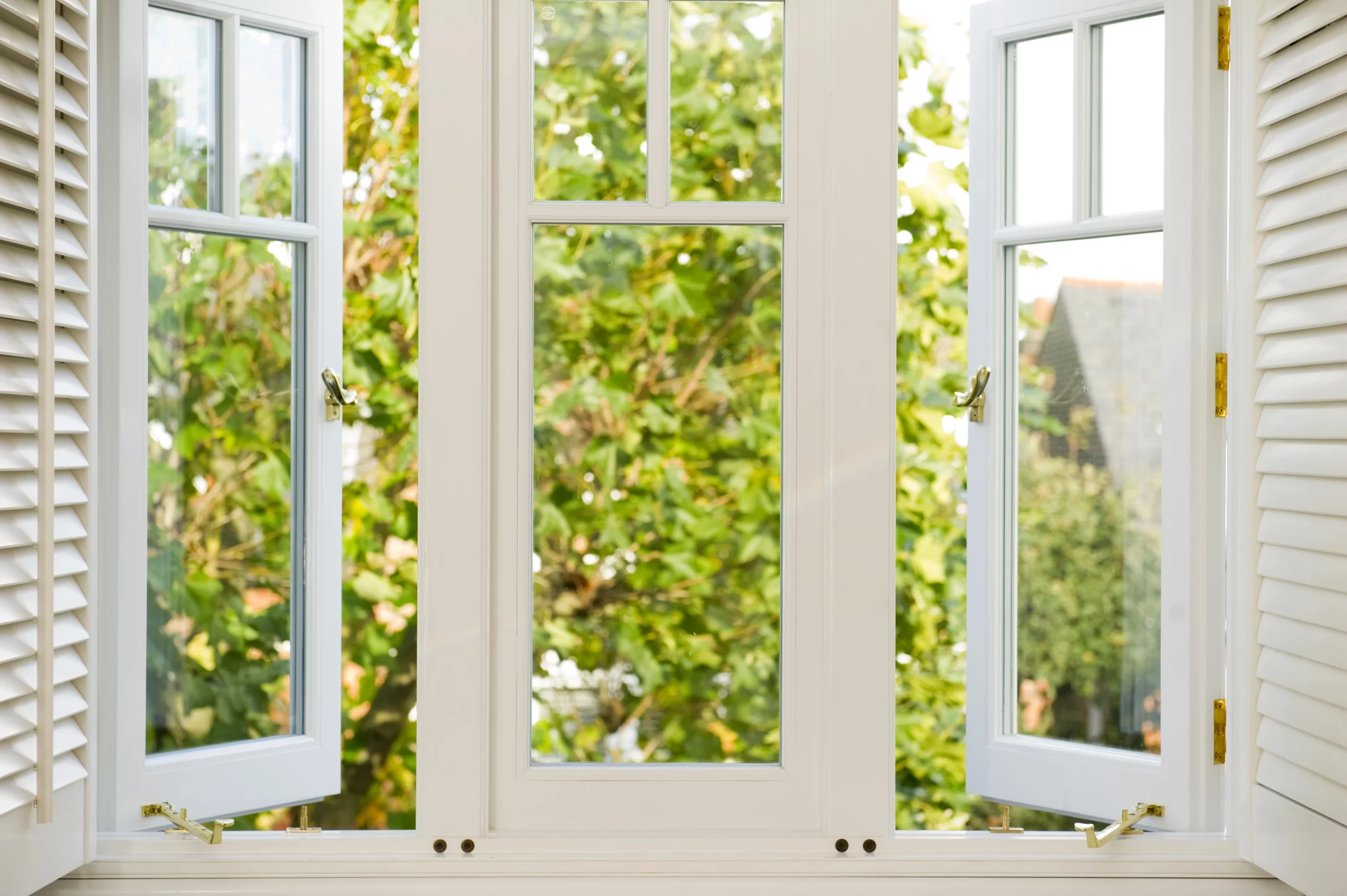
Secondly, it’s the details in the construction that really matter. For example, we take care to ensure our windows have a clean, refined finish without prominent, deep V-grooves. We also internally bead our glazing, meaning the glass cannot simply be removed from the outside. This provides an additional level of security and helps protect against water ingress. These are details that can easily be overlooked, but make a real difference to the finished product.
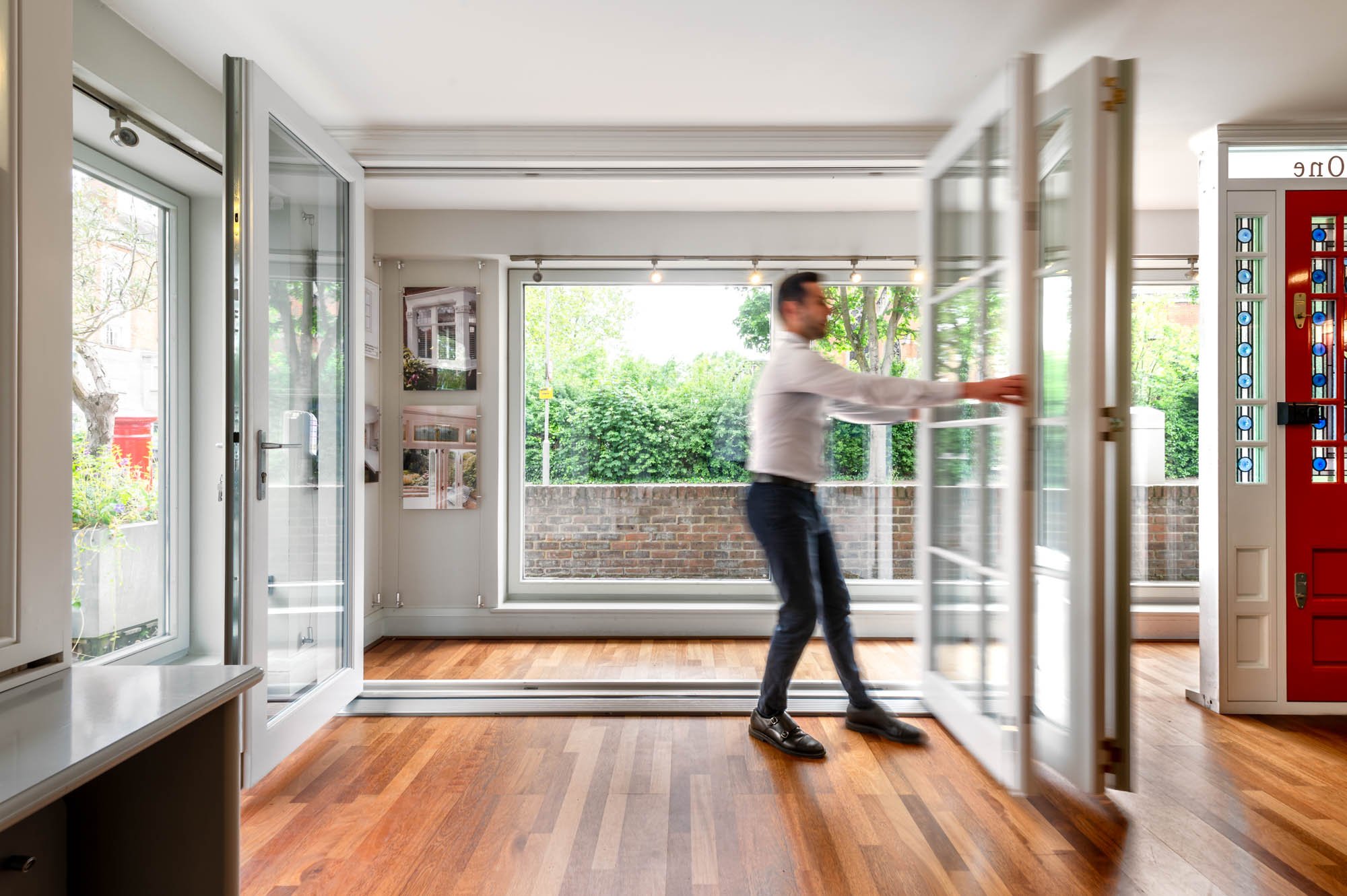
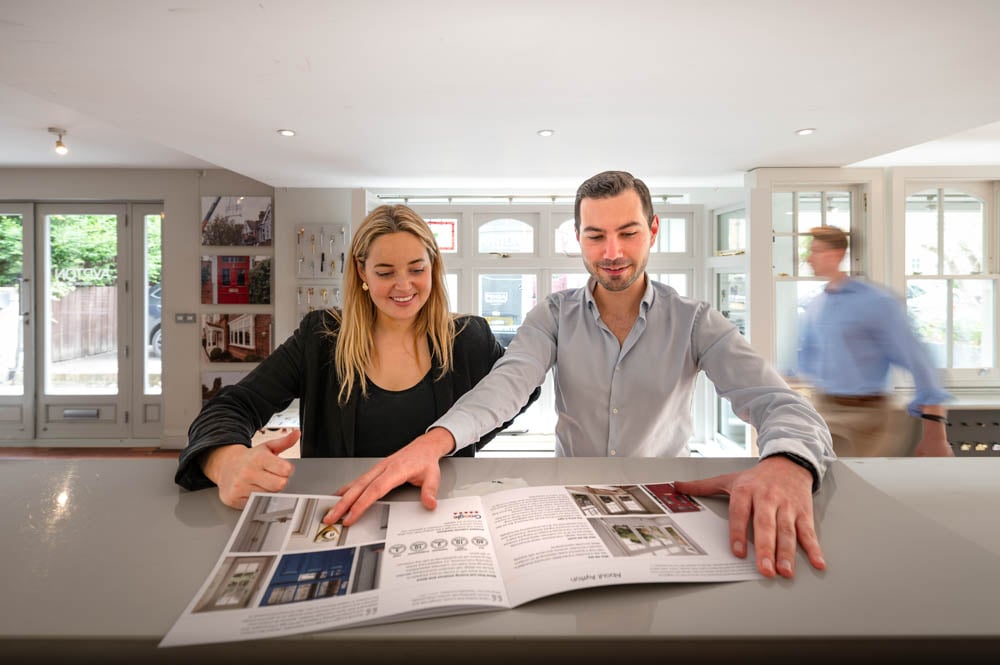
I’d also encourage homeowners to visit one of our showrooms. We believe it’s essential that clients can see, touch and experience the quality of what they’re investing in. Not every competitor offers dedicated showroom spaces, but for us, it’s an important part of the process. We’re proud of our products and want customers to be able to examine the details for themselves, rather than simply relying on photographs or promises.
Ultimately, it’s about not cutting corners. The difference isn’t always obvious at first glance, but it’s in the materials, the construction and the details behind the finished window.
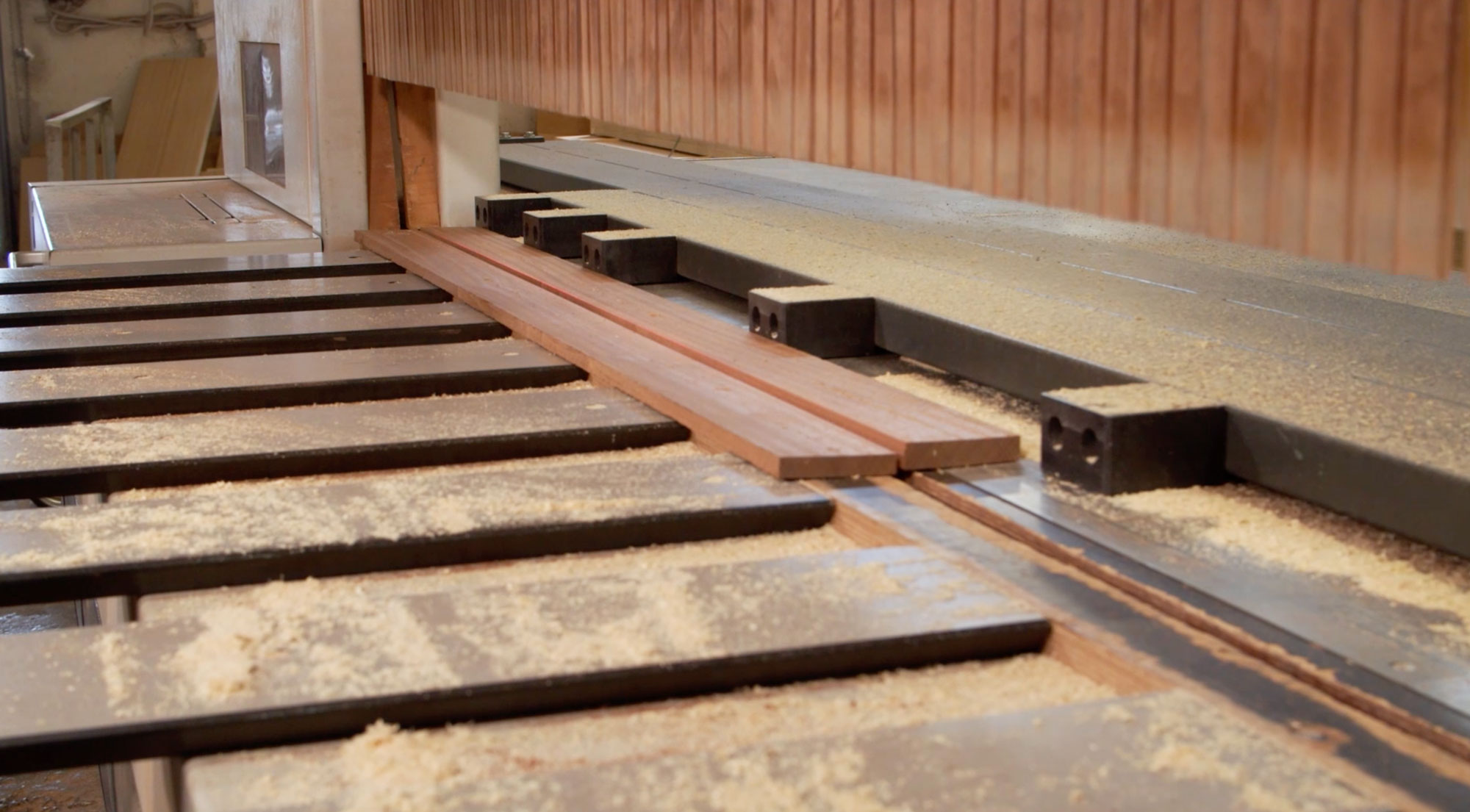
It’s the scale and precision of some of the machinery in our factory. Some of our equipment is quite literally the size of a living room! We use a combination of highly sophisticated machinery to achieve precision and consistency, alongside skilled craftsmanship by hand for the final finishing touches. It’s an impressive process and a great example of the investment, expertise and attention to detail that goes into creating every Ayrton product.
Not all timber is the same, and the difference between the timber Ayrton uses and the softwood in a budget replacement window is significant.
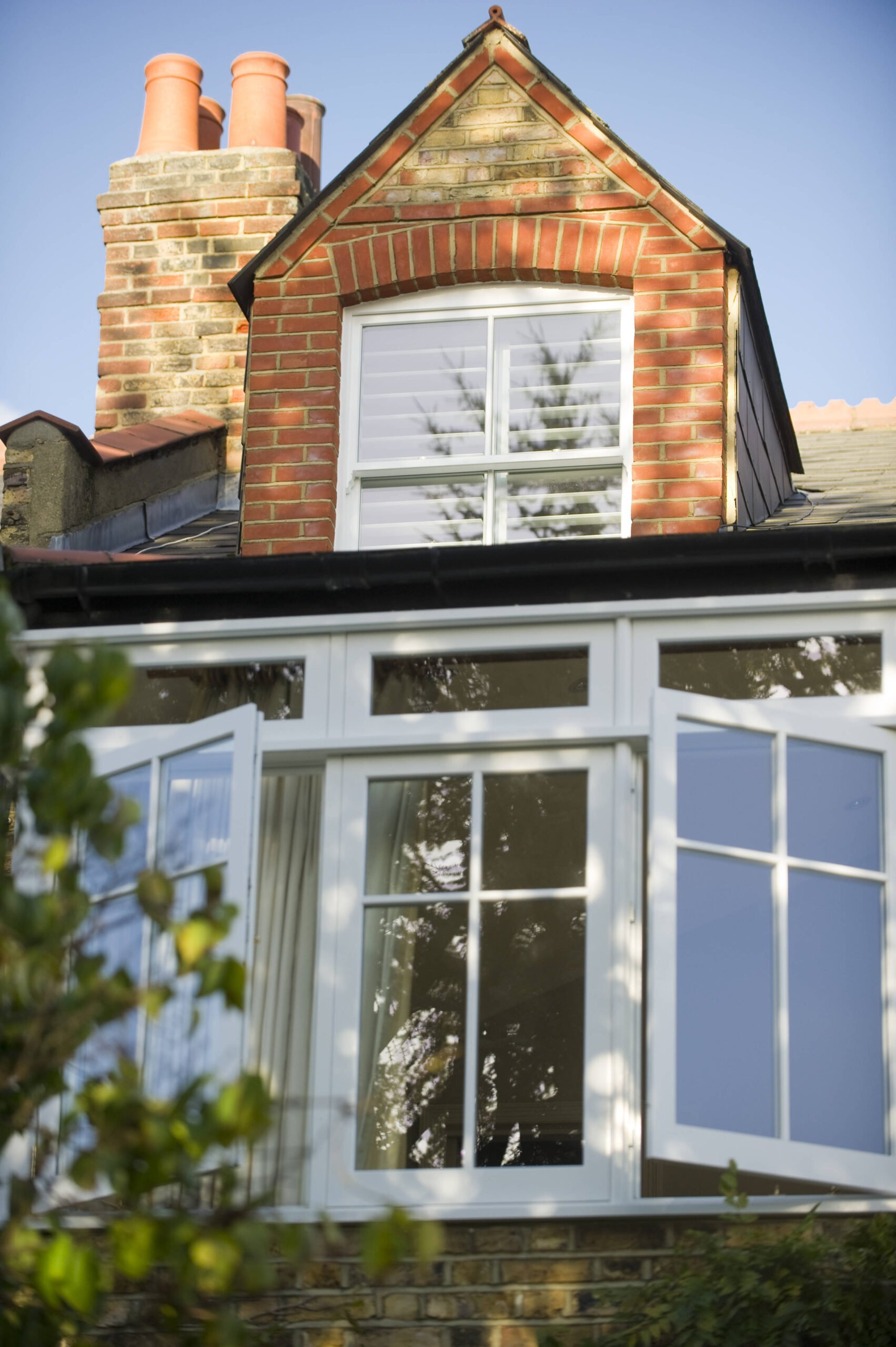
Ayrton uses slow-growing Latvian redwood as its primary window timber. Slow-growing timber is denser, more dimensionally stable, and more durable than fast-grown alternatives, but it takes longer to produce and costs more to source. Ayrton’s timber is FSC-certified, sourced from sustainably managed forests, and processed using a glue-and-laminate technique in which four pieces of timber are laminated parallel to each other. This process reduces the natural movement associated with solid timber, producing a frame that is significantly more stable across London’s seasonal humidity changes than a solid timber equivalent.
Meranti hardwood is used for all cills, the most moisture-exposed part of any window. This is not standard practice: most budget timber windows use the same softwood for cills as for the frame, which is where rot typically begins.

One of the least visible but most significant differences between an Ayrton window and a cheaper timber alternative is the paint system applied before delivery.
Ayrton applies a 4-layer TEKNOS paint system in the factory: primer, undercoat, and two topcoats, all applied under controlled conditions before the window leaves the facility. This is not standard practice in the industry. Many timber window suppliers, including some who would describe themselves as high quality, deliver windows with a single factory primer coat, leaving the undercoat and topcoats to be applied on site. Site-applied paint systems are applied in uncontrolled conditions, at varying temperatures and humidity levels, and by operatives who may or may not be painters by trade. Dust on site is usually a problem and gets into the windows.
The difference in long-term paint performance between a properly applied factory system and a site-applied alternative is significant. Ayrton’s 4-layer TEKNOS system extends the repainting cycle and protects the timber from moisture ingress — which is the primary cause of deterioration in a painted timber window. It is one of the things that makes the 50–100 year lifespan of an Ayrton window credible rather than aspirational.

We use Latvian Redwood because of its quality, stability and suitability for manufacturing high-performance timber windows and doors.
A key difference is that Latvian Redwood is typically slow-grown due to the colder climate in which it grows. This produces tighter, closer growth rings and a denser, more consistent timber structure compared with much of the faster-grown timber available elsewhere.
In practical terms, this gives us a more stable and reliable material to work with. Timber naturally responds to changes in temperature and moisture, so starting with a good-quality, slow-grown material helps reduce movement and provides a better foundation for a long-lasting window.
We also use engineered timber, made up of four laminated sections, which further helps with stability and consistency.
Ultimately, it’s about choosing the right material from the very beginning. A window is a long-term investment, and the quality of the timber underneath the paintwork is just as important as the finish you see.
We provide a three-year guarantee on our paint finish, but in practice, with the right care and maintenance, the finish can last considerably longer.
We’ve seen plenty of examples of clients going ten years or more without needing to redecorate their windows. However, it is very much dependent on the individual property and the conditions the windows are exposed to.
For example, a south-facing window will naturally experience more direct sunlight and UV exposure, while the choice of colour and sheen can also influence how well the finish performs over time. A lighter colour, such as white, with a glossier finish can be a practical choice in areas with greater sun exposure.
This is where the TEKNOS coating system plays an important role. It provides a durable layer of protection against the elements, helping to preserve both the appearance and condition of the timber.
Ultimately, we don’t like to promise a one-size-fits-all lifespan. Every property is different, but with a quality coating system and sensible ongoing maintenance, homeowners can expect considerably more than just a few years from their finish.
The In-House Model: Why It Costs More and Why It Matters
One of the most significant cost drivers in Ayrton’s pricing is a structural decision about how the business operates: everything, including design, manufacture, survey, installation, is done by Ayrton’s own employed team.
This is not how most of the window industry works. Many suppliers, including some who present themselves as premium, design in-house but subcontract manufacturing, or manufacture in-house but subcontract installation. Subcontracting reduces overheads and allows for more competitive pricing. It also introduces a gap between the people who are accountable for the product and the people who are responsible for fitting it.
At Ayrton, the installation team are Ayrton employees; directly accountable to the company, trained to high standards, and often the same people who have been fitting Ayrton windows in London period properties for years. The company’s FAQ makes this explicit: everyone at Ayrton is a valued and full-time member of the team, and this is not something Ayrton compromises on. The professionalism of the installation team is one of the things most frequently mentioned in Ayrton’s 300+ five-star Google and Trustpilot reviews.
Directly employed specialist installers cost more than subcontracted labour. That cost is in the price. And it shows in the outcome.
The Longevity Argument: What the Price Looks Like Over Time
The most common mistake in comparing the cost of timber and uPVC windows is treating it as a single purchase rather than a recurring cost over the life of a property.
A uPVC window installed today will, based on typical lifespan figures, need replacing at least once , and in many cases twice, over the next 40 years. Each replacement involves both a product cost and an installation cost. A bespoke timber window from Ayrton, properly maintained, will not need replacing in that timeframe. The 50–100 year lifespan is not a marketing claim: it is the result of the material choice, the construction method, and the paint system working together.
The per-year cost of an Ayrton timber window, when the upfront price is divided by the expected lifespan, is often considerably lower than the equivalent figure for a uPVC alternative when replacement cycles are factored in. This is the calculation that experienced homeowners, architects, and developers in London tend to make. It is not the calculation that a first-time buyer comparing headline quotes tends to make and that gap in perspective is one of the reasons the upfront price difference looks more significant than it is.
uPVC and aluminium systems are often unable to accurately replicate traditional frame profiles or deliver across all of these requirements, and they are generally not designed with the same longevity in mind, which is reflected in their lower cost point.
– Olivia Ditcham
One of the underappreciated aspects of the timber vs cheaper-alternative comparison is what happens when the cheaper choice turns out to be the wrong one. These are costs that don’t appear in any quote, but they are real.
Replacing timber windows with uPVC in a conservation area, listed building, or Article 4 zone without planning permission is not a technical risk, it is a practical one that Ayrton encounters regularly. A planning enforcement notice requires the homeowner to remove the offending windows and reinstate appropriate replacements at their own expense. The combined cost of the uPVC installation, the enforcement process, and the subsequent timber replacement can significantly exceed the cost of doing it right the first time.
In London’s period property market, the difference between a property with quality timber sash windows and one with uPVC replacements is visible to estate agents and buyers. The discount associated with uPVC on heritage streets is difficult to quantify precisely, but it is consistently described by agents as a negative, and the premium associated with well-maintained original or high-quality replacement timber windows is equally real. A homeowner who saves money on windows and loses more than that at sale has not made a saving.
Ayrton regularly works on properties where a previous owner or a builder working on a renovation installed cheaper windows to cut costs. The current homeowner, who may have bought the property knowing the windows were not original, finds themselves commissioning Ayrton to reinstate timber. As Nicholas Didone has described:
So often builders put in cheaper solutions to cut costs when doing home renovations. We often reinstate timber back into people’s homes when all other materials have been used, often to the detriment of the home’s aesthetic and character.
– Nicholas Didone
Not every homeowner is in the same situation, and intellectual honesty requires saying so. Here is a straightforward assessment of when the premium on bespoke timber windows is clearly justified, when it depends on context, and when a different approach might be more appropriate.
Almost certainly yes. The alternatives, uPVC and aluminium, are likely to face planning resistance, reduce the property’s value, and need replacing before a well-made timber window would. The long-term economics favour timber strongly.
Worth it? Always
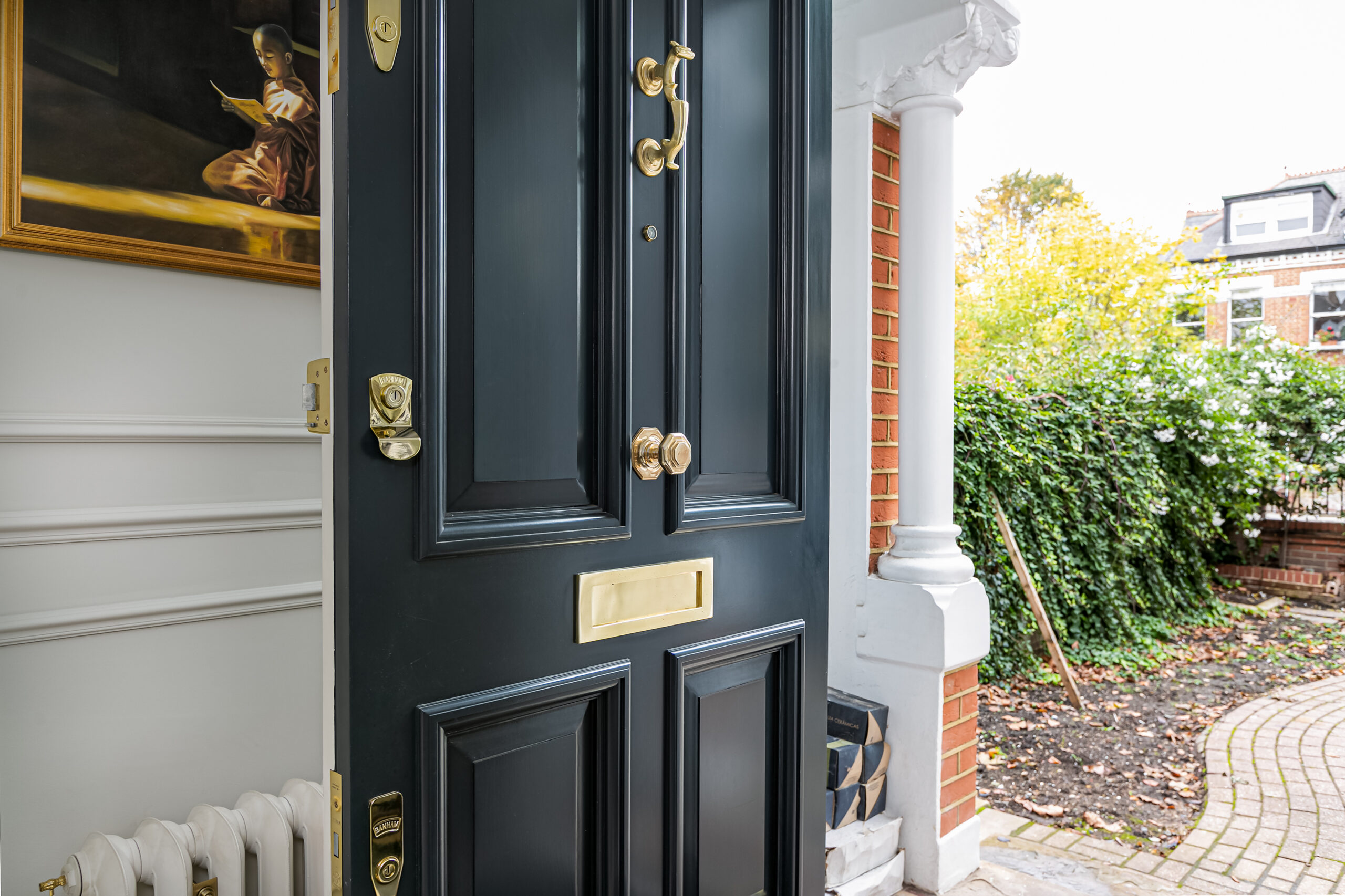
Yes, and in many cases there is no real alternative. Like-for-like timber replacement typically does not require planning permission. Switching to uPVC almost certainly does, and will likely be refused. Suppliers who use mock-timber aesthetics and do not accurately copy frame profiles should be avoided too.
Worth it? Always
Probably yes, particularly in the premium London market. Buyers in period streets notice, and estate agents notice. The uplift at sale can meaningfully offset the premium at purchase, especially if the existing windows are in a poor condition.
Worth it? In most cases
Strongly yes. The 50–100 year lifespan of a properly maintained timber window means the investment amortises over decades. A homeowner who intends to be in a property for 20+ years is almost always better served by timber.
Worth it? Always
Depends. If aesthetics and longevity are priorities, timber still wins. If the budget is genuinely constrained and the property is not in a heritage context, uPVC may be a reasonable short-term solution.
Worth it? If budget permits, yes
Possibly not right now, but worth understanding the long-term cost before deciding. The gap between timber and uPVC over a 30-year horizon is considerably smaller than the upfront price difference suggests.
Worth it? Discuss with Ayrton
What Ayrton Clients Say After the Decision
The most useful perspective on whether the premium is worth it is not Ayrton’s, it is the homeowners who made the decision and have lived with it. Ayrton’s 300+ five-star Google reviews reflect a consistent set of themes: the quality of the windows themselves, the professionalism of the installation team, and frequently, the acoustic difference that was not fully anticipated beforehand.
What the reviews do not typically contain is buyer’s remorse about the price. Homeowners who have been through the Ayrton process, the design consultation, the 3D modelling, the installation, and are living with the result, do not tend to feel they have overpaid. That is the most honest answer to the ‘is it worth it?’ question that exists.
I think some of the most rewarding projects are when we walk into a beautiful period property with original features and have the opportunity to replicate the windows and doors as accurately as possible. Seeing those details brought back to life, while making the home warmer, more secure and more comfortable, is incredibly satisfying. The homeowner gets to retain the character of their property without having to compromise on modern performance.
Equally, there’s something particularly rewarding about a complete transformation where we’re replacing uPVC windows with bespoke timber. It can completely change the appearance of a property, restoring its original charm and giving it a far more authentic finish.
Ultimately, it’s when we can make a genuine difference to both the appearance and the way someone experiences their home that you really see the value of the investment.
I think our Google reviews are a real testament to how our clients feel once the work is complete. There are a few themes that come up time and again: clients commenting on how clean and tidy we leave their homes, how we put them at ease throughout the installation process and, of course, the noticeable difference their new windows and doors have made to their property.
As a family business, we have always believed that the people you deal with are just as important as the product itself. We want our clients to enjoy the experience of working with us as much as they enjoy the finished result. Ultimately, we want them to come back to Ayrton for future projects and recommend us to friends and family. It’s a two-way relationship built on trust, and that doesn’t stop when we leave site. Our aftercare is an important part of that commitment; we want clients to know we are still here for them long after the installation is complete.
The Bottom Line
Bespoke timber windows from Ayrton cost more than the alternatives because they are made differently, from better materials, by people who are accountable for the result, with a paint system that protects the investment, and with guarantees that mean something. The price is not a margin decision, it is the cost of doing it properly.
Whether that premium is worth it depends on your property, your planning context, your timeline, and what you want your home to look like and feel like in twenty years. For the majority of London homeowners in period properties, particularly those in conservation areas or heritage streets, the answer is yes, clearly. For homeowners in a different context, the honest answer is more nuanced, and Ayrton will tell you that honestly rather than push you toward a decision that isn’t right for your situation.
The best starting point is a conversation. Ayrton’s free at-home design consultation covers all London postcodes and includes a fully itemised quote with no obligation to proceed, so you can understand exactly what you’re being asked to invest in before you decide. Visit any of our showrooms across London to learn more.

with one of the friendly
Ayrton team?
Our team will be happy to answer any questions you might have. Alternatively, why not pop into one of our showrooms to see our products in person, grab a coffee and talk through how to get the best for your home with one of our friendly design team.